OCR Devices for the Blind: Converting Print to Speech in Real-Time
Discover Innovative Tools Made for the Visually Damaged
The growth of innovative tools for the aesthetically impaired represents a significant innovation in availability and independence. Technologies such as wise glasses with AI capabilities and mobile applications created to give auditory summaries are reshaping everyday experiences for customers.
Smart Glasses for Navigation

Smart glasses designed for navigation are revolutionizing the method aesthetically damaged individuals interact with their setting. These advanced devices make use of a mix of electronic camera innovation, expert system, and acoustic feedback to give real-time details regarding surroundings. By using challenge detection systems, smart glasses can signal users to prospective hazards, allowing much safer wheelchair in both familiar and unknown settings.
The combination of GPS technology even more boosts navigation capabilities, enabling customers to receive acoustic directions as they relocate. This hands-free strategy not just promotes independence but additionally equips visually damaged individuals to navigate city landscapes with increased confidence. Additionally, several clever glasses are outfitted with features that identify sites and street indications, offering contextual info that enhances the individual experience.
Additionally, the growth of these tools is continuously progressing, with companies functioning to improve the accuracy of things acknowledgment and broaden the variety of navigational features. As smart glasses end up being extra inexpensive and easily accessible, they hold the potential to significantly transform everyday life for visually damaged customers. Inevitably, these ingenious tools stand for a critical step towards inclusivity, offering enhanced movement and a better feeling of autonomy for people navigating the globe around them.
Mobile Apps for Daily Living
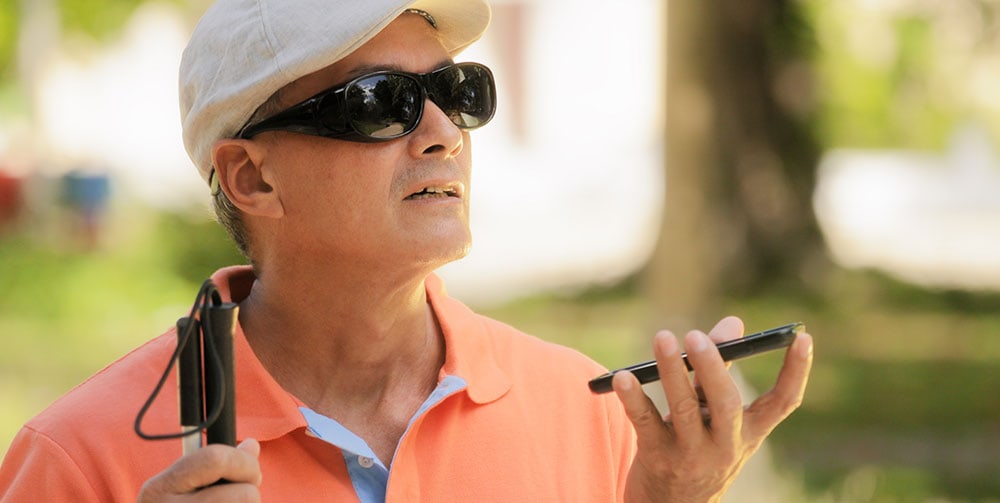
Just how can mobile applications boost the every day lives of visually damaged people? Mobile apps are revolutionizing the method aesthetically impaired customers browse their environments, manage daily tasks, and access information. These applications give essential assistance via various capabilities, fostering self-reliance and enhancing lifestyle.
Several ingenious mobile applications are made particularly for daily living. For circumstances, applications like Be My Eyes connect visually impaired individuals with sighted volunteers by means of video clip phone calls, enabling them to receive real-time support with jobs such as reading tags or browsing strange rooms. Similarly, Seeing AI, developed by Microsoft, makes use of expert system to define environments, reviewed message, and recognize things, properly changing a smart device into an effective tool for daily support.
Additionally, navigating applications tailored for the aesthetically damaged, such as Aira and BlindSquare, use audio-based directions and environmental details, making it possible for individuals to traverse their surroundings safely and confidently. Past navigating and instant assistance, mobile applications likewise support organization and job monitoring, with functions that help customers set suggestions, develop order of business, and track appointments. In recap, mobile applications offer as crucial sources, encouraging aesthetically impaired people to lead more independent and meeting lives.
Wearable Technologies for Support
Empowerment via innovation is significantly noticeable in the realm of wearable tools developed to aid visually damaged individuals. These innovative devices integrate flawlessly into life, enhancing navigating and offering essential comments to customers. For example, clever glasses outfitted with electronic cameras can review and recognize faces message out loud, permitting users to engage more with confidence in expert and social setups.
One more remarkable development is using haptic feedback systems in wearable gadgets. These systems make use of resonances or various other responsive signals to share details regarding the individual's environment, such as barriers or adjustments in terrain, boosting movement and safety and security. Wearable modern technologies likewise include wristbands that attach to smart devices, informing individuals to alerts via refined vibrations, thus enhancing connectivity without dependence on aesthetic hints.
As these technologies remain to develop, they are not just boosting freedom for aesthetically impaired people however likewise fostering a better feeling of incorporation in society. By connecting the void in between obstacles dealt with in daily living and the potential for freedom, wearable modern technologies work as crucial devices in the pursuit for equal rights and empowerment for those with visual problems.
Audio Summary Devices
Audio description tools play a critical function in improving access for visually impaired people, giving them with the capability to engage with visual media. Smart glasses for the visually impaired. These devices offer narrated summaries of essential visual aspects in films, tv shows, and live efficiencies, making certain that individuals can fully understand the context and emotions shared through visuals
Sound summary can be integrated into different systems, including streaming services, movie theater testings, and live movie theater. Several prominent streaming solutions now include audio summary as an ease of access function, enabling customers to select it conveniently. In enhancement to traditional media, specialized apps likewise exist, providing audio summaries for art exhibitions, galleries, and various other cultural events.
The effectiveness of audio description rests on the skill of the narrators, that need to convey visual information succinctly without interfering with the original audio. Innovations in this area are also leading the way for more individualized experiences, where customers can adjust the level of information and pacing according to their choices.

Braille Innovations and Tools
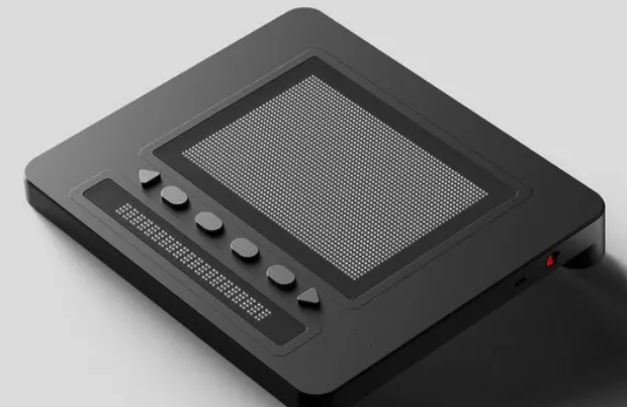
Braille technologies and devices have actually substantially browse around these guys transformed the means aesthetically impaired individuals connect with text and details. Modern innovations have actually caused the development of functional tools that boost literacy and independence among users. Especially, Braille show technologies have evolved, enabling for dynamic analysis experiences. These devices transform electronic text into Braille, making it possible for individuals to access a vast selection of details on smart devices, computers, and tablet computers.
In addition, portable Braille notetakers integrate typical Braille input with modern functionalities, assisting in note-taking, organizing, and record editing and enhancing on the go. Wearable technology for low vision. These compact gadgets usually feature text-to-speech capacities, bridging the space in between Braille and acoustic info
In addition, ingenious Braille printers have emerged, enabling individuals to create Braille labels, files, and educational materials successfully. This access cultivates better engagement in expert and academic atmospheres, eventually promoting inclusivity.
Additionally, research right into wise Braille innovations continues to broaden. Tools that integrate man-made intelligence are being explored to provide real-time navigating support and contextual info, enhancing the individual experience in diverse setups. In general, these innovations reflect a dedication to encouraging aesthetically impaired people through modern technology, ensuring they can conveniently access and engage with the world around them.
Verdict
The development of ingenious devices for the aesthetically impaired substantially improves self-reliance and quality of life. These modern technologies not only foster greater inclusion but additionally promote freedom in daily tasks, eventually adding to a much more equitable and accessible society for visually impaired individuals.
As clever glasses end up being a lot more easily accessible and cost effective, they hold the prospective to dramatically transform everyday life for aesthetically damaged customers. Mobile apps are reinventing the way visually impaired customers try these out navigate their environments, handle daily tasks, half moon reading glasses and accessibility details. Apps like Be My Eyes link aesthetically damaged users with sighted volunteers through video clip calls, allowing them to get real-time aid with jobs such as reading labels or navigating unknown rooms.Additionally, navigation apps customized for the aesthetically damaged, such as Aira and BlindSquare, supply audio-based directions and ecological details, allowing individuals to traverse their environments securely and with confidence.The advancement of innovative tools for the visually impaired substantially boosts self-reliance and quality of life.